
User Spotlight:

Gainesville, GA- Faster STEMI Treatment Times at Northeast Georgia Medical Center

About Northeast Georgia Medical Center

Northeast Georgia Medical Center anchors Northeast Georgia Health System (NGHS), a not-for-profit community health system with three hospital campuses: Gainesville, Braselton and Barrow. The medical center performs more than 5,000 cardiac procedures each year, so speed and accuracy in STEMI response are critical.

Getting Ahead of STEMI


For STEMI patients, every minute before treatment counts. NGMC wanted more accurate ECG interpretation, better access to patient information, and better documentation, all with the goal of lowering STEMI mortality. In the field, though, medics were sending photos of ECGs, had no direct line to a cardiologist, and couldn’t always notify the hospital in time for teams to prepare.

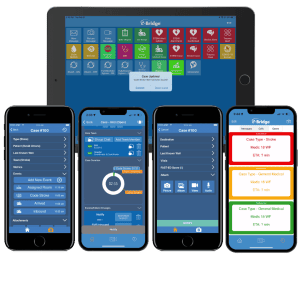
To close those gaps, NGMC implemented GD’s e-Bridge Communication Platform and CAREpoint ED Workstation. Together they connect EMS, the ED, and hospital care teams.

A Peek at ROI Found

STEMI Care

12-lead ECGs reviewed remotely by cardiologists before arrival

Cath Lab

Fewer false cath lab activations from misdiagnosed STEMI

EMS Partnership

Easier transfer of patient vitals and information to the hospital

Features Behind the Success

  • Remote 12-Lead ECG Review from Any Monitor
  •  
  • Two-Way EMS-ED Communication and Data Transfer
  •  
  • Mobile Telemedicine
  •  
  • Real-Time Vitals and Patient Information Sharing
  •  
  • Early Care Team Notifications

Download the Full Case Study

The full case study covers the prehospital obstacles that slowed STEMI patients’ path to the PCI lab, how cardiologists now work with EMS crews in real time, and how reducing false cath lab activations more than pays for the system.

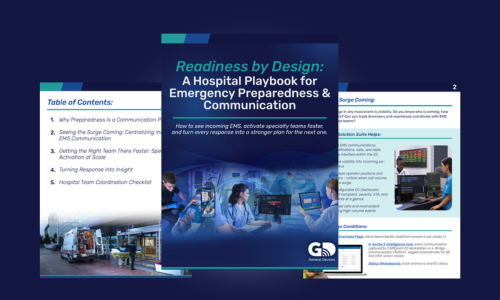
Readiness by Design

A Hospital Playbook for Emergency Preparedness & Communication

Get the Free Playbook

Learn how to see incoming EMS sooner, activate specialty teams before the patient arrives, and turn every response into a stronger plan for the next one.

Includes a before, during and after checklist for coordinating your teams better during high volume events.